
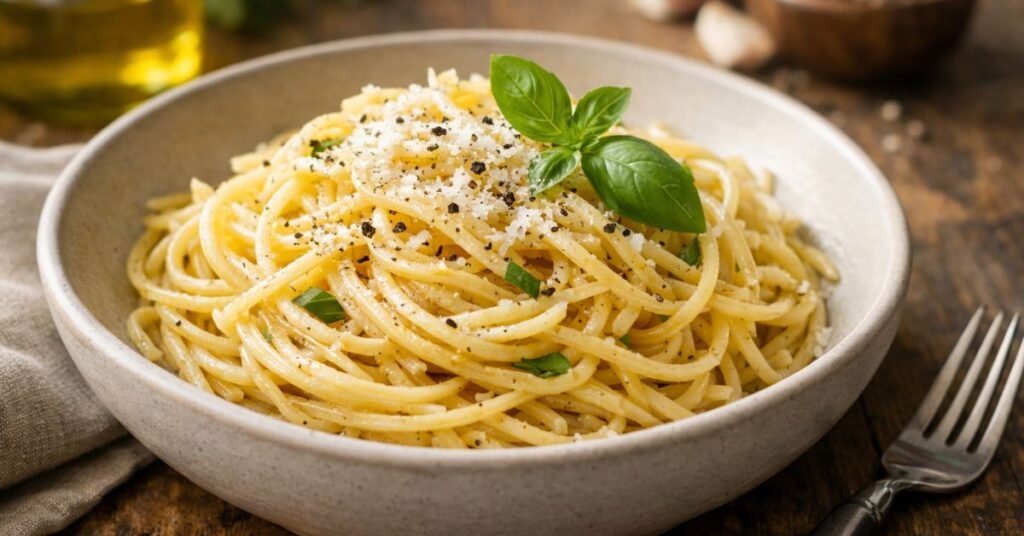
If you’ve ever wandered down the pasta aisle and paused at a slim, slightly twisted noodle labeled crocolini, you’re not alone. The first time I cooked it, I assumed it would behave like spaghetti. It didn’t—and that’s exactly why I fell in love with it.
Crocolini sits in that sweet spot between familiar and refined. It looks delicate, cooks quickly, and somehow makes even a simple olive oil and garlic sauce feel restaurant-worthy. Today, crocolini matters more than ever because home cooks are craving simple ingredients that feel special—and this pasta delivers without demanding chef-level skills.
In this guide, I’ll walk you through everything you need to know about crocolini: what it is, why it’s different, when to use it, how to cook it perfectly, and the mistakes that can ruin an otherwise great dish. This isn’t theory—I’ve tested it in weeknight dinners, dinner parties, and rushed lunches. By the end, you’ll know exactly when crocolini deserves a spot in your pantry.
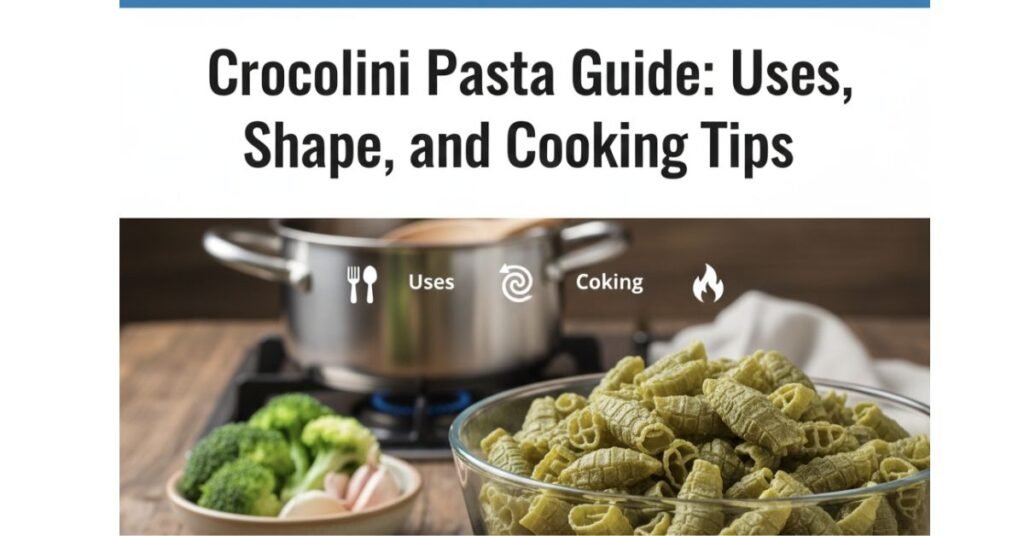
What Is Crocolini? A Simple, Beginner-Friendly Explanation
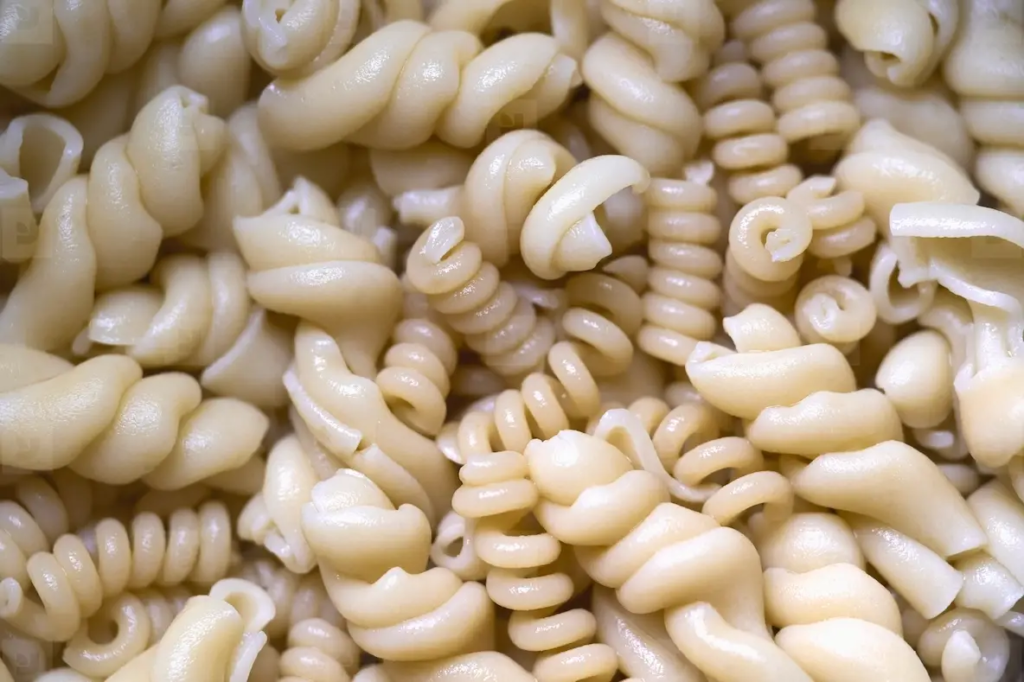
At its core, crocolini is a thin, elegant pasta that resembles spaghetti but with a slightly flattened or gently twisted shape. That small difference changes everything.
Think of spaghetti as a smooth highway—sauces slide over it. Crocolini, on the other hand, has subtle ridges and curves that grab onto sauce. That’s why it shines with light, flavorful coatings rather than heavy, chunky ones.
What makes crocolini unique?
- Slim profile: Thinner than spaghetti, thicker than angel hair
- Slight texture: Helps sauces cling better
- Quick cooking: Usually done in 6–8 minutes
- Elegant presentation: Perfect for minimalist plating
Crocolini exists because not every dish needs bulky pasta. Sometimes, you want something refined—something that lets olive oil, herbs, lemon zest, or seafood take center stage.
Where crocolini is commonly used
- Italian-inspired home cooking
- Mediterranean-style recipes
- Light vegetarian or seafood dishes
- Restaurant-quality plating at home
If spaghetti is your everyday jeans, crocolini is your tailored blazer—same comfort, better style.
Benefits & Real-World Use Cases of Crocolini
Crocolini isn’t just about looks. Its structure solves real cooking problems, especially for home cooks who want fast, reliable results.
Key benefits of crocolini
- Better sauce distribution: Every bite tastes balanced
- Faster meals: Ideal for 20-minute dinners
- Lighter mouthfeel: You don’t feel weighed down
- Versatile: Works hot or cold
When crocolini truly shines
1. Weeknight dinners
After a long day, crocolini cooks quickly and pairs beautifully with pantry staples like garlic, chili flakes, and olive oil.
2. Seafood dishes
Shrimp, scallops, tuna, or anchovies blend seamlessly without overpowering the pasta.
3. Vegetarian meals
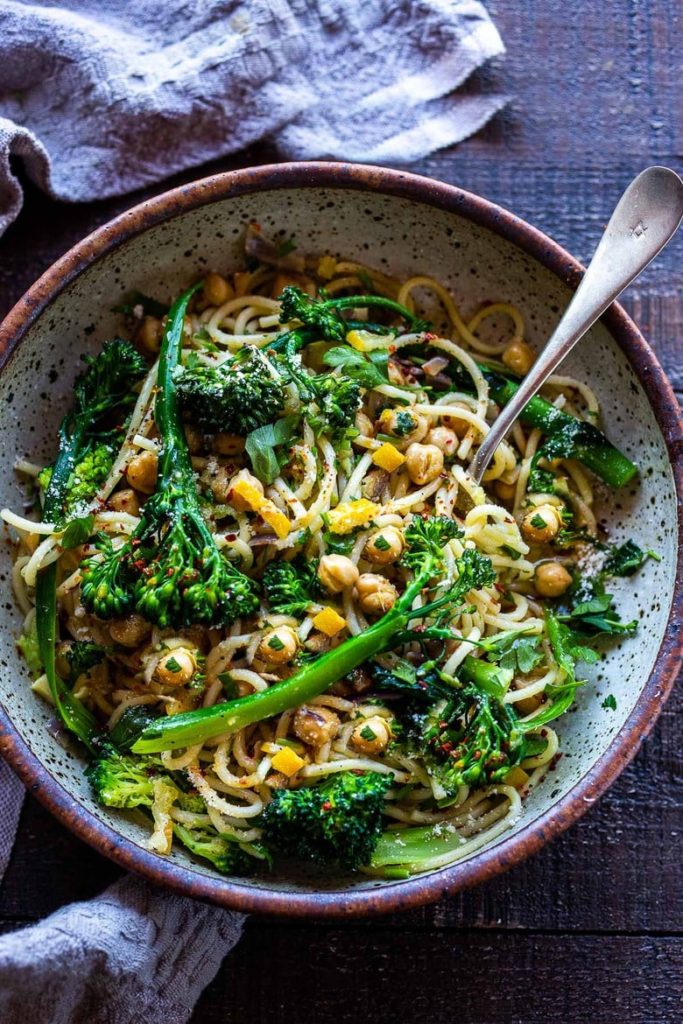
Simple sauces—lemon butter, pesto, roasted vegetables—feel elevated.
4. Entertaining guests
Crocolini looks “chef-y” without extra effort. Guests assume you worked harder than you did.
Who should use crocolini—and who shouldn’t
Best for:
- Home cooks who love simple, elegant meals
- Pasta lovers who enjoy lighter sauces
- Anyone bored of standard spaghetti
Avoid if:
- You prefer heavy meat sauces (ragù, Bolognese)
- You like very thick or chewy pasta
Crocolini isn’t about excess—it’s about balance.
How to Cook Crocolini Perfectly: A Step-by-Step Expert Guide
Cooking crocolini isn’t difficult, but it is unforgiving. A minute too long, and it loses its magic. Here’s the method I use every single time.
Step 1: Use more water than you think
Crocolini needs space to move.
- At least 4–5 liters of water per 500g pasta
- Well-salted—water should taste like the sea
Step 2: Boil hard, then add pasta
Drop crocolini into rapidly boiling water. Stir immediately to prevent sticking.
Step 3: Watch the clock closely
Most crocolini cooks in 6–8 minutes.
- Start tasting at minute 5
- You want al dente: tender but with a gentle bite
Step 4: Reserve pasta water
Before draining, save ½ cup of pasta water. This starchy liquid is gold for emulsifying sauces.
Step 5: Finish in the sauce
Never dump sauce on plain pasta.
- Add crocolini directly to the pan
- Toss gently with sauce and pasta water
- Let it simmer together for 30–60 seconds
Pro tips from experience
- Don’t over-stir—it breaks the strands
- Oil goes in the sauce, not the water
- Serve immediately; crocolini waits for no one
This technique turns simple ingredients into something memorable.
Tools, Comparisons & Expert Recommendations
Crocolini doesn’t require fancy equipment, but the right tools make a difference.
Essential tools
- Large pot: Prevents clumping
- Tongs: Better than spoons for delicate pasta
- Wide skillet: Allows proper sauce coating
Crocolini vs other pasta types
| Pasta Type | Best Use | Texture |
|---|---|---|
| Crocolini | Light sauces, seafood | Delicate, refined |
| Spaghetti | All-purpose | Smooth |
| Linguine | Cream sauces | Flat, rich |
| Angel Hair | Ultra-light dishes | Very fragile |
Free vs premium crocolini
Budget options
- Affordable
- Good for everyday cooking
- Slightly softer texture
Premium options
- Better wheat quality
- Holds shape longer
- Superior sauce grip
My recommendation:
Use budget crocolini for quick meals. Save premium versions for dinner guests or special recipes.
Common Crocolini Mistakes (And How to Fix Them)
I’ve made every one of these mistakes—so you don’t have to.
Mistake 1: Overcooking
Why it happens: Thin pasta cooks fast
Fix: Taste early, drain sooner than you think
Mistake 2: Heavy sauces
Why it happens: Habit from spaghetti dishes
Fix: Switch to oil-based or light cream sauces
Mistake 3: Skipping pasta water
Why it happens: Draining too fast
Fix: Always reserve some before draining
Mistake 4: Letting it sit
Why it happens: Waiting for guests
Fix: Time everything so crocolini is last
Mistake 5: Overloading toppings
Why it happens: Trying to “upgrade” the dish
Fix: Fewer ingredients, better balance
Crocolini rewards restraint. Less really is more.
Why Crocolini Deserves a Spot in Your Pantry
Crocolini isn’t trendy—it’s timeless. It fits modern cooking habits perfectly: faster meals, lighter eating, better ingredients. Once you understand how it behaves, it becomes one of the most reliable pastas you can cook.
If spaghetti is your default, crocolini is your upgrade. Not louder. Just smarter.
Frequently Asked Questions About Crocolini
What is crocolini pasta used for?
Crocolini is best for light sauces, seafood dishes, and minimalist recipes where texture and balance matter.
Is crocolini the same as spaghetti?
No. Crocolini is thinner and slightly textured, which helps sauces cling better.
How long should crocolini cook?
Typically 6–8 minutes, depending on brand and thickness.
Can I use crocolini for creamy sauces?
Yes, but keep them light—think lemon cream or Parmesan, not heavy Alfredo.
Is crocolini good for cold pasta salads?
Absolutely. It holds dressing well and doesn’t clump easily.
Does crocolini break easily?
If overcooked or over-stirred, yes. Gentle handling is key.
Can crocolini be substituted for spaghetti?
In most light recipes, yes. Avoid it for heavy meat sauces.
Is crocolini beginner-friendly?
Yes—as long as you watch the cooking time carefully.
Final Thought
If you’ve been cooking the same pasta shapes for years, crocolini is an easy way to refresh your meals without changing your style. Try it once with good olive oil, garlic, and a squeeze of lemon—you’ll understand why so many experienced cooks quietly swear by it.
If you’d like, I can also share chef-tested crocolini recipes, pairing ideas, or a printable cooking cheat sheet—just say the word.