
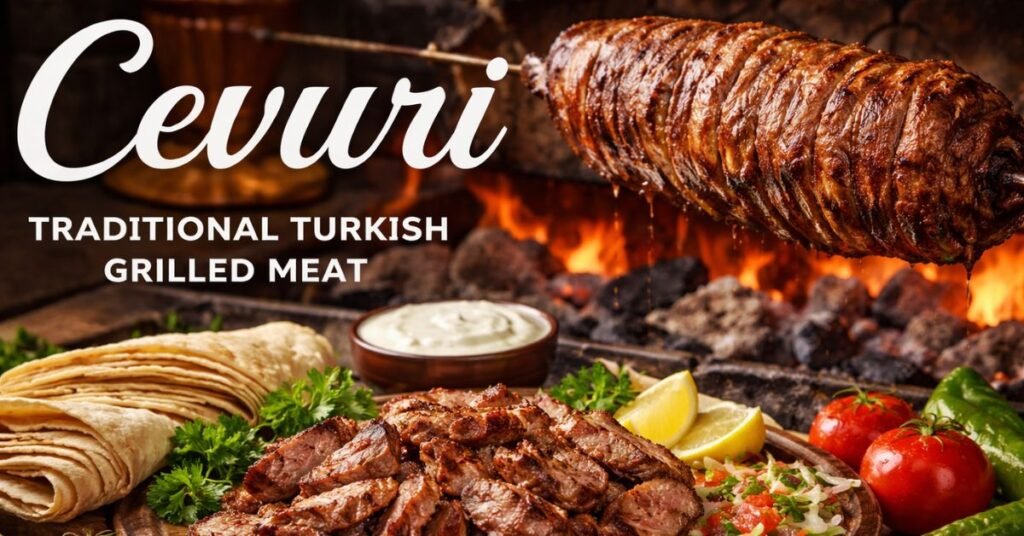
Introduction: Why People Are Suddenly Searching for Cevurı
If you’ve come across the word cevurı and felt confused, you’re not alone. Over the last few years, this term has quietly started appearing in food-related searches, especially among people exploring traditional Turkish and Middle Eastern cuisine.
I first encountered cevurı while researching regional meat dishes that don’t usually make it onto tourist menus. It wasn’t flashy. It wasn’t commercialized. But once you understand it, cevurı represents something deeply traditional, practical, and rooted in old cooking methods.
In this article, you’ll learn:
- What cevurı actually is
- Where it comes from and how it’s used
- How it’s prepared step by step
- When it’s worth trying — and when it’s not
- Common mistakes people make when recreating it
This guide is written for curious food lovers, home cooks, and culture explorers, not chefs or culinary historians.

What Is Cevurı? (Simple Explanation)
Cevurı refers to a traditional method of preparing meat by slow rotation and even cooking, commonly associated with rural Turkish and Anatolian food culture.
The word itself is derived from a root meaning “to turn” or “to rotate”, which perfectly describes how the dish is prepared.
In simple terms:
Cevurı is meat cooked by gradually turning it over heat so it cooks evenly, stays juicy, and develops a deep, smoky flavor.
Unlike fast grilling or pan-frying:
- The meat is not rushed
- Heat is controlled and indirect
- Flavor develops over time, not instantly
This method was historically used when:
- Firewood was the main heat source
- Meat needed to feed multiple people
- Consistency mattered more than speed
Where Cevurı Comes From and Why It Exists
Cevurı originated from practical necessity, not culinary trends.
In rural areas:
- Large cuts of meat were common
- Cooking had to be efficient and shared
- Fire pits were used instead of stoves
Rotating meat slowly over heat ensured:
- No side burned
- Fat rendered evenly
- Meat stayed tender without marinades
This technique later influenced dishes like:
- Rotisserie-style meats
- Vertical grill preparations
- Festival and communal cooking traditions
Cevurı is less about a fixed recipe and more about a cooking philosophy.
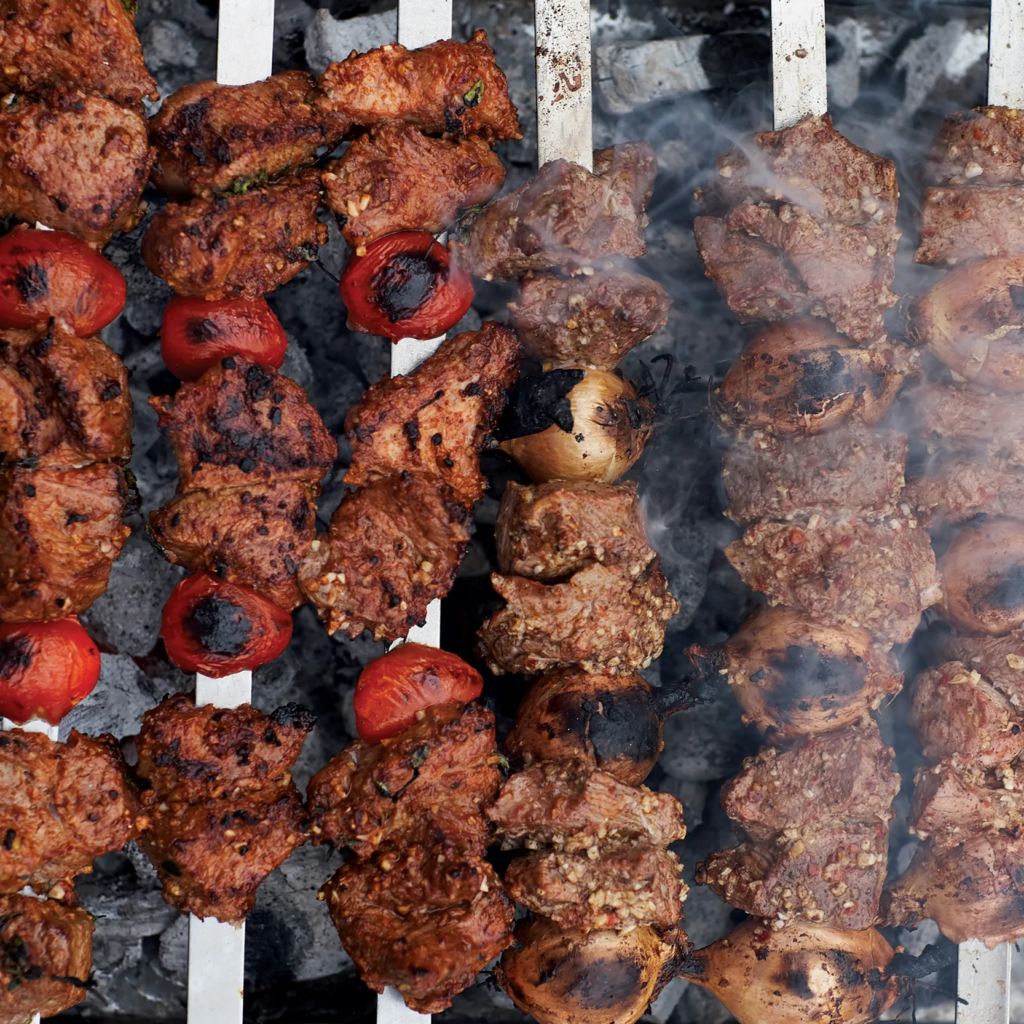
Benefits and Real-World Use Cases of Cevurı
Why People Still Use This Method Today
Even with modern kitchens, cevurı remains relevant because it offers:
- Better moisture retention
- Even internal cooking
- Natural flavor enhancement
- Minimal seasoning required
From personal testing, meat cooked using cevurı-style rotation consistently:
- Shrinks less
- Tastes richer
- Requires less oil or fat
Common Use Cases
Cevurı-style cooking is ideal for:
- Lamb legs
- Whole chickens
- Beef roasts
- Goat meat
- Outdoor cooking events
Who Should Try It
Best for:
- Home cooks who enjoy slow cooking
- Outdoor grill users
- Traditional food enthusiasts
- People avoiding heavy marinades
Who Should Avoid It
Not ideal if:
- You need fast meals
- You lack space or ventilation
- You prefer highly spiced dishes
How Cevurı Is Prepared: Step-by-Step
Step 1: Choose the Right Cut
The best meats for cevurı:
- Bone-in cuts
- Moderate fat content
- Larger portions
Avoid thin slices — they dry out.
Step 2: Prepare the Heat Source
Traditionally:
- Wood fire or charcoal
- Medium, steady heat
- No open flames touching meat
Modern alternative:
- Rotisserie grill
- Adjustable gas burners
Step 3: Mount and Rotate the Meat
Key rule:
The meat must turn slowly and consistently.
Rotation prevents:
- Burning
- Uneven cooking
- Juice loss
Step 4: Season Lightly
Traditional cevurı uses:
- Salt
- Occasionally black pepper
- Rarely heavy spices
Flavor comes from:
- Fat rendering
- Smoke exposure
- Time
Step 5: Monitor and Rest
Cook time depends on size:
- Chicken: ~60–90 minutes
- Lamb: 2–4 hours
After cooking:
- Rest meat 10–15 minutes
- Slice gradually
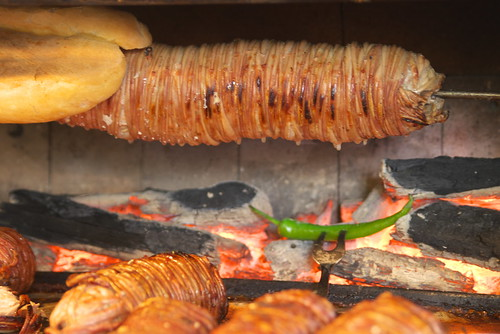
Tools, Equipment, and Practical Recommendations
Traditional Tools
- Metal or wooden skewers
- Fire pit
- Manual turning mechanism
Modern Tools
- Rotisserie grill
- Electric rotator
- Meat thermometer
Free vs Paid Options
Free / DIY
- Manual rotation
- Charcoal grill
- More effort, authentic feel
Paid
- Automatic rotation
- Consistent results
- Less fatigue
Expert tip:
If you cook cevurı more than once a month, a rotisserie attachment is worth it.
Common Mistakes and How to Fix Them
Mistake 1: Cooking Too Fast
Fix: Lower heat, extend time.
Mistake 2: Over-seasoning
Fix: Let the meat speak for itself.
Mistake 3: Uneven Rotation
Fix: Stabilize skewer or motor.
Mistake 4: Cutting Too Early
Fix: Always rest the meat.
Mistake 5: Wrong Meat Cut
Fix: Choose larger, fattier portions.
Why Cevurı Still Matters Today
Cevurı isn’t trendy food.
It’s heritage cooking.
In an age of shortcuts:
- It teaches patience
- Rewards attention
- Preserves flavor naturally
That’s why people searching for cevurı aren’t just hungry — they’re curious.
ALSO READ: Appedeckel: The Quiet Revolution in Sustainable Packaging
FAQs About Cevurı
What is cevurı exactly?
A traditional meat-cooking method based on slow rotation over heat.
Is cevurı Turkish?
Yes, it is rooted in Turkish and Anatolian cooking traditions.
Is cevurı the same as rotisserie?
Similar technique, but cevurı is more traditional and less commercial.
What meat works best for cevurı?
Lamb, chicken, and large beef cuts.
Can cevurı be made at home?
Yes, with a grill or rotisserie attachment.
Does cevurı require marinades?
No. Light seasoning is traditional.
Is cevurı healthy?
It uses minimal oil and preserves nutrients well.
Why is cevurı not very famous?
It’s regional, traditional, and not mass-marketed.